Fully
Opinionated.
We spent 9 years learning in the background. We’re done being balanced.
Where our readers land - and how that has moved.
Organisations will weaponise biometric data, turning individual identity into a primary tool for mandatory performance monitoring.
Formal learning institutions will be redefined by their measurable impact on cognitive resilience, not just credentialing.
Digital platforms will exacerbate, not solve, the global loneliness crisis, fragmenting genuine human connection further.
Future of Work.

Multi-factor authentication remains a digital charade, easily circumvented by sophisticated actors. CPU-Auth, leveraging unique hardware signatures, promises unforgeable identity. This isn't just security, it's digital destiny. Resistance is futile: your device will soon identify you, not the other way around. Is privacy now merely a nostalgic concept?
CPU-Auth: Your Processor, Your Password
Device fingerprinting via CPU side-channels offers a new, unassailable authentication layer, but at what cost?
- Hardware security
- Authentication future
- Privacy implications
Will CPU fingerprinting eliminate password reliance for good?
Companies exploit fan fervour, transforming consumption into a form of unpaid labour. Queuing for merchandise is not merely shopping; it is emotional investment and brand promotion for free. This extracts value from individuals under the guise of "exclusive access", perpetuating a transactional model where loyalty is mistaken for genuine connection. When did our personal identities become platforms for corporate gain?

McDonald's x G-Dragon collab turns consumers into unpaid brand evangelists, blurring labour lines.
- Brand as cult
- Unpaid evangelism
- Loyalty for profit
The G-Dragon x McDonald's phenomenon isn't about burgers or fashion; it's a stark reminder of manufactured scarcity and its iron grip on consumer psychology. Brands exploit cultural icons to create artificial demand, turning routine transactions into competitive events. This orchestrated pandemonium underscores a bleak truth: our collective desire for belonging is relentlessly commodified. We queue, we consume, we surrender our agency for fleeting validation. What truly drives these queues: desire or manipulation?

McDonald's G-Dragon collaboration highlights the power of celebrity influence over consumer behaviour and labour. Hype creates jobs.
- Scarcity marketing
- Celebrity endorsement
- Hype economy
- Consumer fanaticism
If this changed how you think - here’s what people at The Hub are doing about it.
Three builders from The Hub Night School rebuilding the entry-level rung from scratch.
- Azaan R.Building an AI-native apprenticeship platform
- Mira S.Designing portfolio-first hiring for SMBs
- Devansh K.Tooling for solo operators replacing teams
Future of Learning.

Pseudoscience cloaked in AI. A machine learning model predicting cognitive improvement from scalp needling is the academic equivalent of an elaborate snake oil advert. The future of learning demands rigorous, evidence-based approaches, not algorithms validating dubious practices. Trusting machines to legitimise the mystical is a dangerous precedent. Are we truly this desperate for quick fixes?
AI Pins Hopes on Needles for Stroke Recovery
Machine learning predicts cognitive gains from scalp needling, pushing boundaries of traditional medicine.
- AI legitimises junk
- Cognitive quackery
- Needles not science
Should AI validate unconventional treatments?
Doctors routinely neglect documenting patient counselling, eroding trust and compromising future care. This oversight isn't benign; it's a systemic failure to value comprehensive patient education and transparent medical practice. The medical establishment prioritises speed over substance, leaving patients uninformed and outcomes unoptimised. It's time to mandate rigorous documentation or admit we’re not serious about patient agency.

Neurologists fail to record crucial patient counselling, hindering informed care and medical progress.
- Documentation failure
- Patient education gap
- Systemic neglect
State-sponsored diplomacy, seemingly benign, serves as a masterclass in strategic learning. Nations, like individuals, learn to leverage historical narratives and mutual interests for political gain. This isn't genuine connection; it's calculated calibration of power. What lessons are truly absorbed when sincerity is a secondary consideration?

Belarusian leader Lukashenko’s Independence Day greetings to Uganda illustrate the art of geopolitical influence.
- Geopolitical learning
- Strategic influence
- Narrative control
If this changed how you think - here’s what people at The Hub are doing about it.
Three Hub Residencies rebuilding what learning looks like after the credential.
- Riya M.Cohort-based maker school for 14–18 year olds
- Tomás L.Verifiable proof-of-skill protocol for hiring
- Anika V.Reading rooms as the new university
Future of Human Connection.
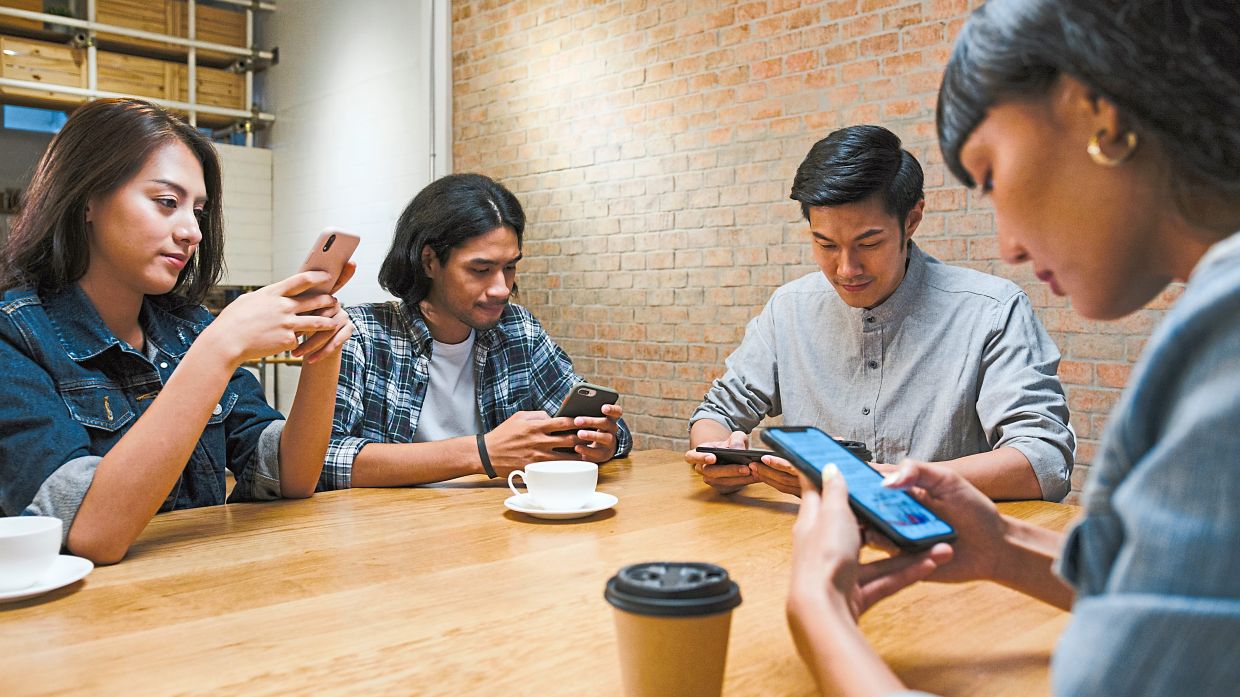
Gen Z is drowning in digital noise, mistaking superficial interactions for genuine intimacy. Their screens offer a mirage of connection, leading to an epidemic of profound loneliness. This generation sacrifices deep, reciprocal relationships for fleeting likes and curated online personas. Real human bonds demand presence, vulnerability, and effort, commodities scarce in the attention economy. They are digitally enabled but socially crippled.
Digital Overload Fuels Gen Z Loneliness, Meaningful Bonds Vanish
Despite constant digital tethering, young people are reporting unprecedented levels of isolation. True connection remains elusive.
- Digital ties are superficial
- Real bonds require effort
- Screen time erodes intimacy
Does digital hyper-connection make Gen Z lonelier?
The Nobel committee has finally demonstrated backbone, awarding Anne Carson for her genre-bending genius. This isn't merely acknowledging a poet; it's a direct challenge to the ossified structures of literary criticism and publishing. Carson’s work, brimming with intellectual rigour and emotional depth, proves that true artistic merit transcends commercial appeal and academic fads. Her victory should force a reckoning within the literary world. Is innovation truly valued, or just tolerated?

Anne Carson’s win signals a long-overdue shift, recognising radical artistry over staid tradition. The stuffy gatekeepers are on notice.
- Esoteric art recognised
- Literary establishment shaken
- Poetic forms evolve
The escalating rate of lonely deaths isn't a demographic inevitability; it's a societal indictment. As Malaysia ages, its social fabric frays, prioritising individual autonomy over collective welfare. We're designing systems that isolate, then feigning surprise at the grim outcomes. This isn't a medical issue; it's a moral collapse. Are we truly valuing lives we leave to die alone?
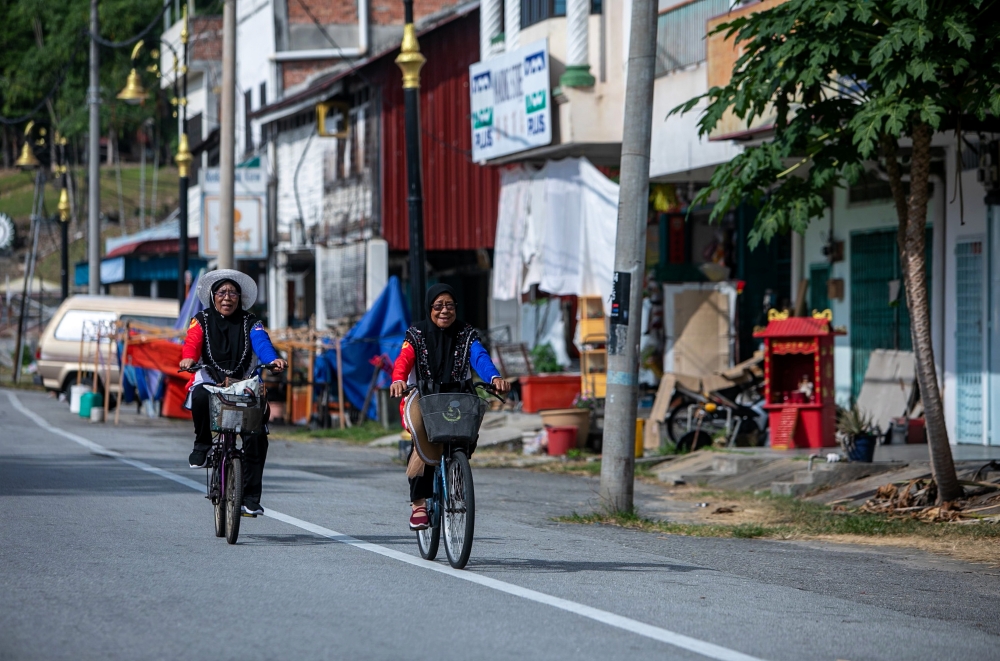
Malaysia's rising "kodokushi" mirrors Japan, exposing a critical failure in communal care as populations age.
- Ageing population
- Social isolation
- Healthcare gaps
If this changed how you think - here’s what people at The Hub are doing about it.
Three Hub Summer Camp alumni building the infrastructure of belonging.
- Pranav S.Neighbourhood-scale run clubs in Tier-2 cities
- Lina K.Co-living for adults outside the nuclear family
- Ishan T.Reading rooms as third places, no phones
Pick the future
that’s yours.
Three briefs. One per pillar. Choose what you want in your inbox - or take all three. No noise, no spin, no neutrality.
The future is arriving faster than anyone can process.
Jobs are being renegotiated. Degrees are losing their promise. Belonging is being rebuilt from scratch in cities that were never designed for it.
We cover the problem every day at Fully Opinionated. But someone has to build the solution.
That’s what’s happening at The Hub Bengaluru - Night School, Residencies, Summer Camp, and a growing community of builders who refuse to be caught unprepared.